
Democratizing shop management
Free website builders have shifted the balance of power in retail: small shop owners and independent sellers can now create polished online storefronts without large upfront investments. The modern free builder isn't just a page creator - it's a full management hub that combines storefront design, sales tools, and administrative functions. For many entrepreneurs, starting with a simple drag-and-drop website builder is the fastest way to test product-market fit, capture first customers, and learn the rhythms of online selling before committing to paid services.

Core capabilities that matter to shop managers
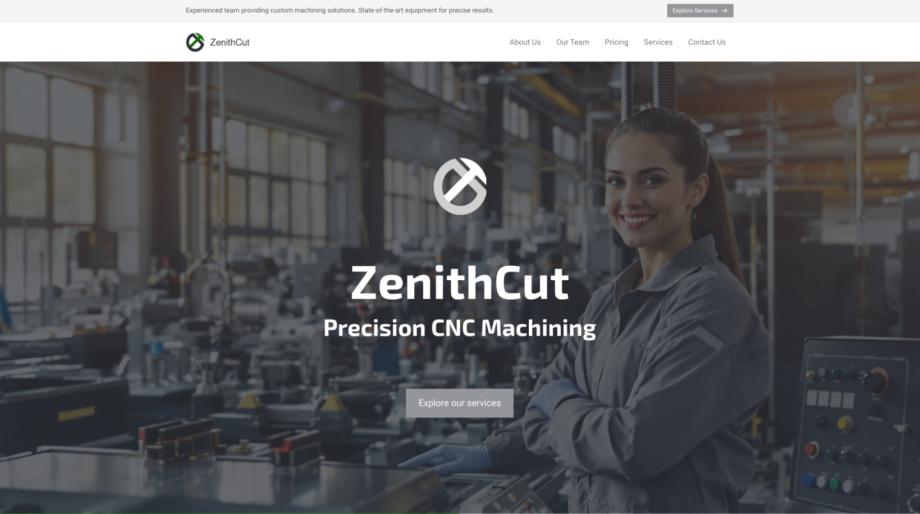
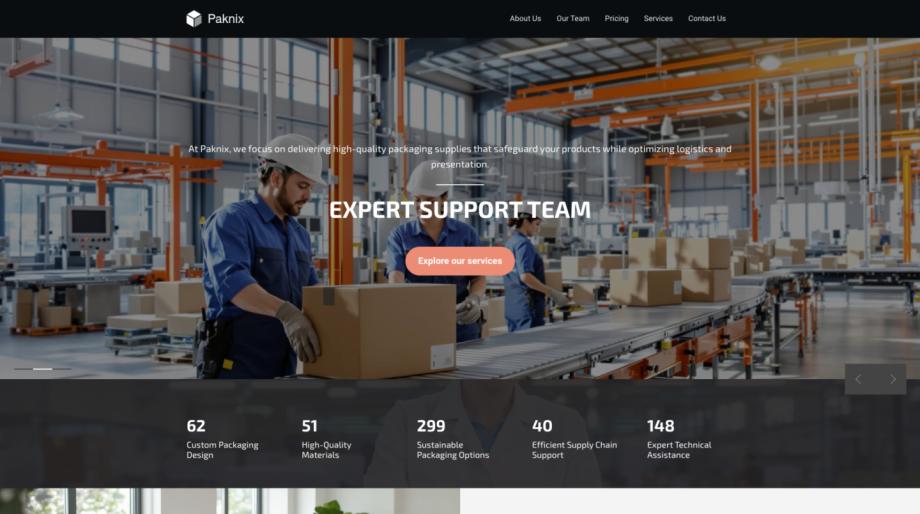
At the heart of effective shop management are a few technical capabilities that free builders increasingly include. Responsive design ensures your catalog looks great on phones and tablets as well as desktops; look for builders that explicitly support responsive web design so you don't lose mobile buyers. Built-in e-commerce features let you add products, manage pricing and promotions, and handle checkout flows - many free platforms now offer robust e-commerce sales functionality out of the box. For sellers who want a bit more structure, optional modules such as a dedicated shop add-on can unlock inventory categorization, bulk product imports, and catalog controls without coding.
Beyond storefront creation, modern free builders provide a management surface where daily operations happen: order processing, customer messages, and basic analytics are commonly integrated into a unified dashboard. A well-designed management panel reduces friction by centralizing tasks - from tracking order status to viewing sales reports - so owners can focus on product and service rather than platform upkeep.
Operational benefits: teamwork, automation and cost control
Running a shop today is often a team effort. Many free platforms include collaborative features so multiple people can contribute: a team management feature allows you to assign roles and limit access, which is critical when delegating tasks like product uploads or customer support. Automations - such as email confirmations, low-stock alerts, and scheduled promotions - cut down repetitive work. Combined with integrations to payment providers and shipping services, these automations let small teams appear much larger and more responsive.
Cost control is another major advantage. Using a free builder reduces hosting and development expenses, and because many include templates, image tools, and SEO basics, you avoid paying separately for each service. For shops that are testing ideas or operating on thin margins, this low-cost entry point can be the difference between experimenting and not launching at all. Furthermore, when business needs grow, scalable add-ons and export options allow shops to upgrade piece-by-piece rather than rebuild everything at once.


Scaling, discoverability, and practical selection tips
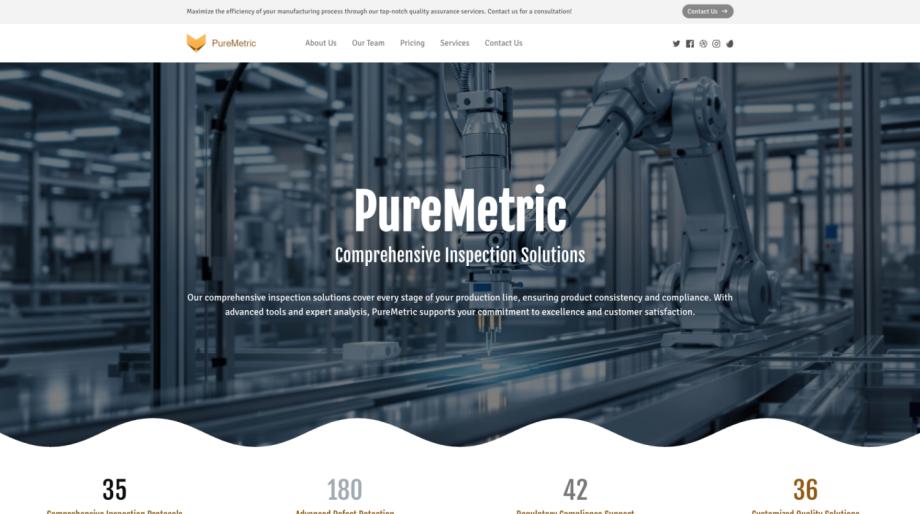
As a shop gains traction, two priorities emerge: discoverability and reliable operations. Search functionality and SEO tools directly influence how customers find your products; choosing a builder with dedicated SEO features helps ensure product pages are indexable and optimized for search engines, so don't overlook integrated SEO optimization tools. Similarly, the ability to track orders, handle returns, and manage customer relationships becomes essential - look for platforms that allow you to upgrade to more advanced workflows or export your data easily.
When evaluating free builders, prioritize: ease of use, core e-commerce functions, mobile performance, and the availability of growth modules. If collaborative work is important, confirm the platform supports team roles and permissions. If you plan to expand functionality later, choose a builder with a clear ecosystem of add-ons and an intuitive control center. Starting with a free solution that includes a capable dashboard and sales features gives you a low-risk environment to refine product listings, test marketing approaches, and build repeatable fulfillment processes.
In short, free website builders have matured into practical shop management tools. They lower barriers to entry, centralize daily operations, and provide upgrade paths that match real business growth. For modern shop owners who need speed, affordability, and an operational backbone, the right free website builder can be the platform that turns a simple idea into a sustainable online business.