Why a conversion-first website matters in a crowded market
In a saturated marketplace, visibility alone isn't enough - every visitor must be nudged toward a meaningful action. A free website builder can flip the odds in your favor by lowering the technical barrier and allowing you to focus on conversion-focused design and messaging. Rather than wrestling with code or costly development cycles, you can quickly prototype landing pages, A/B test headlines, and optimize conversion paths. Using a dedicated website builder lets you concentrate on value propositions and customer psychology: clear benefits, obvious next steps, and minimal friction from arrival to purchase or sign-up.
Built-in tools that turn visitors into customers
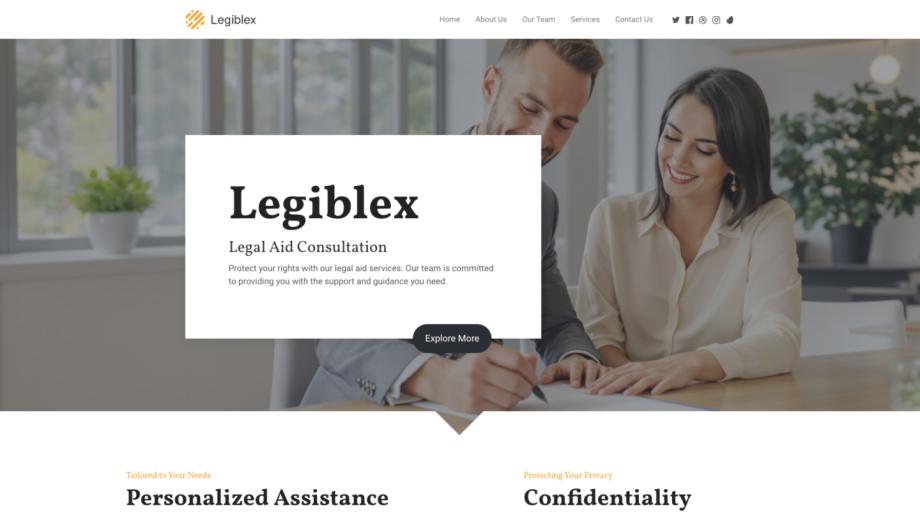
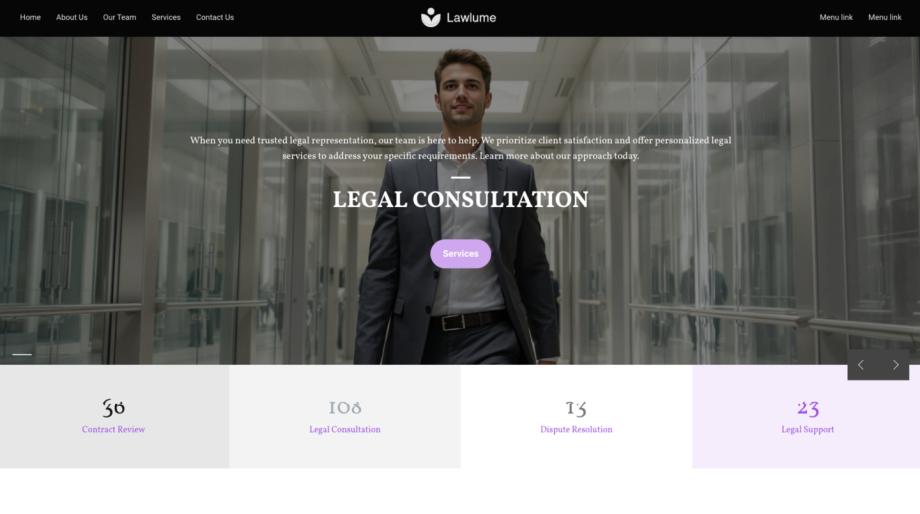
What distinguishes a basic site from a conversion engine is the set of tools available out of the box. A modern free builder packages features that directly impact conversions: a visual content editor to craft persuasive pages without design expertise, responsive layouts that ensure every visitor gets a seamless experience across devices via responsive web design, and integrated e-commerce support so you can sell without third-party complexity through e-commerce capabilities.
Conversion-driven builders also include conversion-specific features such as fast checkout, clear product pages, and promotional tools to reduce cart abandonment. If you're selling products or digital services, enabling sales mechanics through e-commerce sales features - discounts, abandoned cart recovery, and streamlined payment flows - can significantly lift your conversion rate without extra development hours.
Amplify reach and boost conversion with social integration
Traffic sources matter, and social platforms are a primary acquisition channel for many businesses. A free website builder that integrates with social media removes friction between discovery and action. Linking your site to a cohesive social strategy helps you capture interest and push it toward conversion. Start by centralizing your social touchpoints on the site, then use scheduling and distribution tools to keep consistent messaging flowing. For example, integrating a full social media workflow ensures your content, offers, and landing pages feed each other.
Operationally, a post scheduling tool like the post manager keeps promotions aligned with landing pages and product launches. When a social post goes live at peak engagement, the corresponding landing page can be optimized to receive that traffic with targeted copy, concise CTAs, and a friction-free path to purchase - a combination that lifts conversion rates and reduces wasted impressions.
Practical steps to stand out and continuously improve
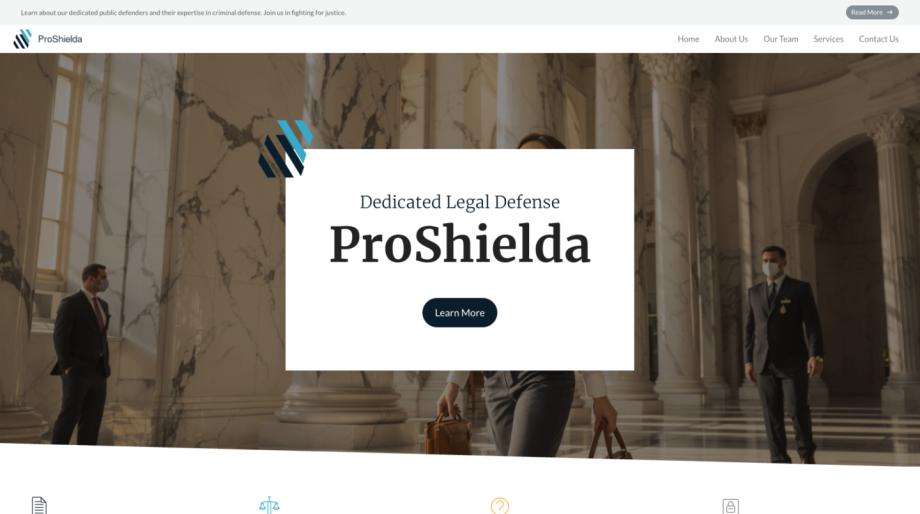
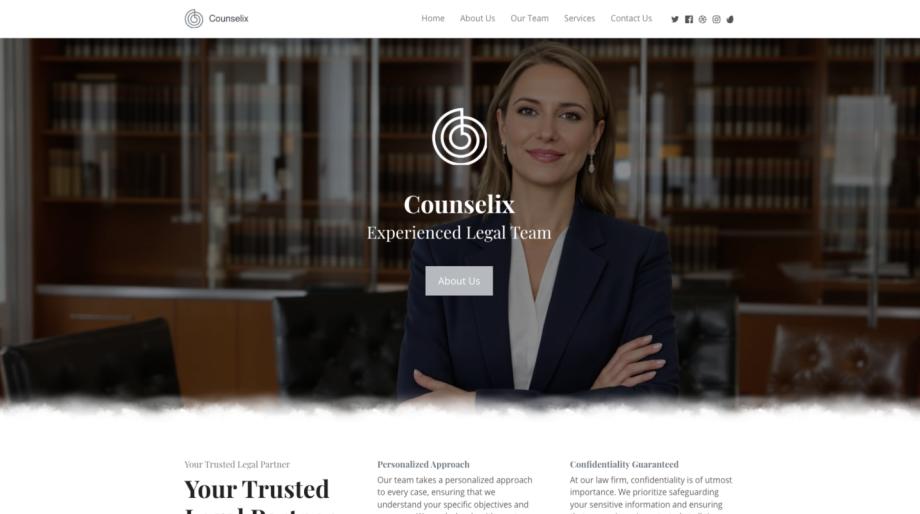
Standing out isn't a single tactic; it's a cycle of rapid iteration, measurement, and refinement. Use the free builder to launch fast and iterate faster. Start with a high-converting template, customize it using the visual tools, and publish a focused landing page for one offer. Monitor performance, tweak headlines or imagery, and run simple tests to see what improves click-through and completion rates.
Keep these practical priorities in mind:
- Lead with clarity: Make your primary value clear within seconds of arrival.
- Remove friction: Minimize form fields and steps required to complete the desired action.
- Match intent: Use segmented landing pages for different ad or social campaigns.
- Measure and iterate: Track conversions and iterate on pages weekly based on data.