Why influencers matter for quick-start businesses
Social media influencers are a fast track to attention, credibility, and sales for new websites and online stores. For businesses and creators launching quickly, partnering with influencers lets you tap into an existing audience without months of organic growth. Influencers bring authenticity - a trusted recommendation - that paid ads can struggle to match. When you combine influencer reach with a clear, optimized landing page and fast eCommerce setup, you turn visibility into conversions.
Start by thinking of influencers as extensions of your brand's voice. Micro-influencers often deliver higher engagement and lower cost per conversion, while larger creators can provide massive reach for product launches or seasonal promotions. The key is aligning the influencer's style with your site's message - whether you're promoting a personal blog, a new storefront, or a service offering. If you're building or refining your online presence, use your site builder to create tailored pages for each campaign; a good place to begin is the core website creation tools that let you spin up landing pages quickly.

Practical steps to find, collaborate, and convert
Follow a simple, repeatable process to turn influencer attention into measurable results:
- Identify the right influencers: Look for creators whose audience aligns with your target customers. Check engagement rates, content fit, and previous brand collaborations. Consider micro-influencers for niche authenticity and macro-influencers for scale.
- Craft a concise outreach: Personalize your message, offer clear deliverables, and propose a simple metric for success (clicks, sales, sign-ups). Include the benefit to their audience and a reasonable compensation structure - it doesn't always have to be cash; product, affiliate commission, or exclusive deals work well.
- Design campaign assets together: Co-create visuals and messages so the influencer keeps their voice but hits your conversion goals. Offer templates, product shots, and swipe copy that make posting easy and consistent.
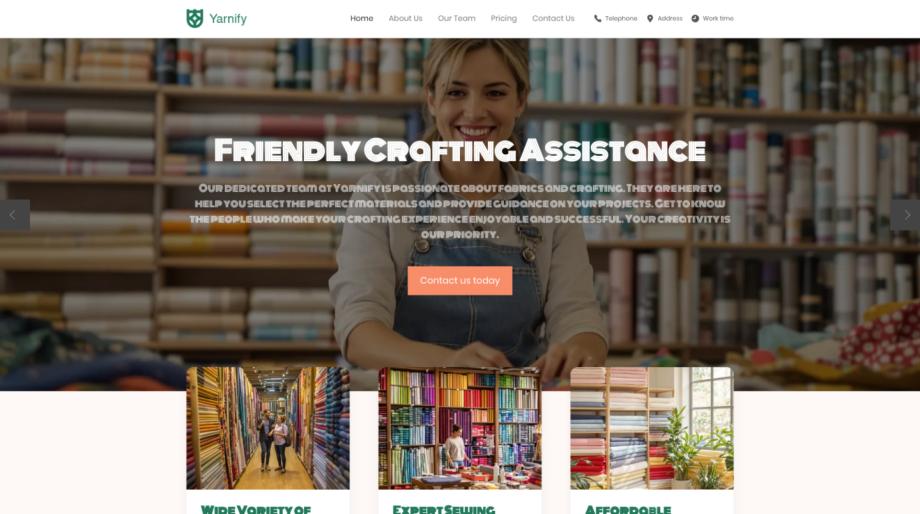
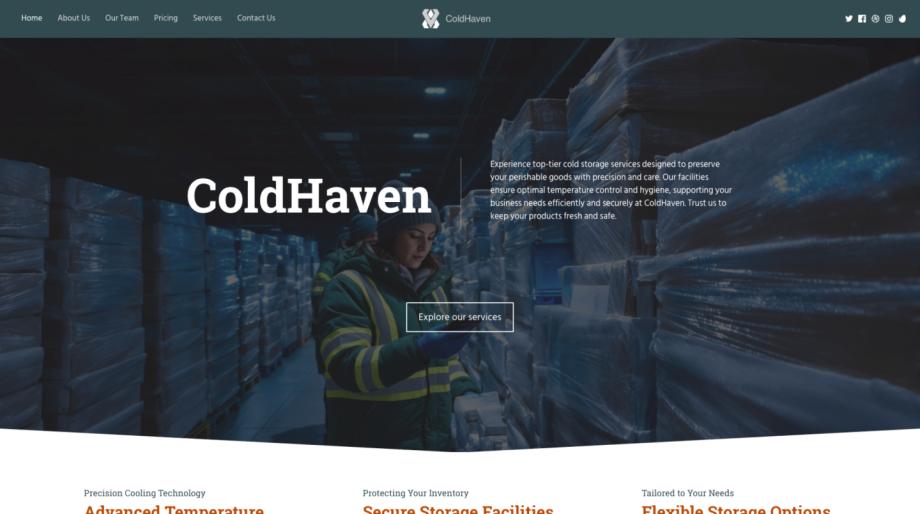
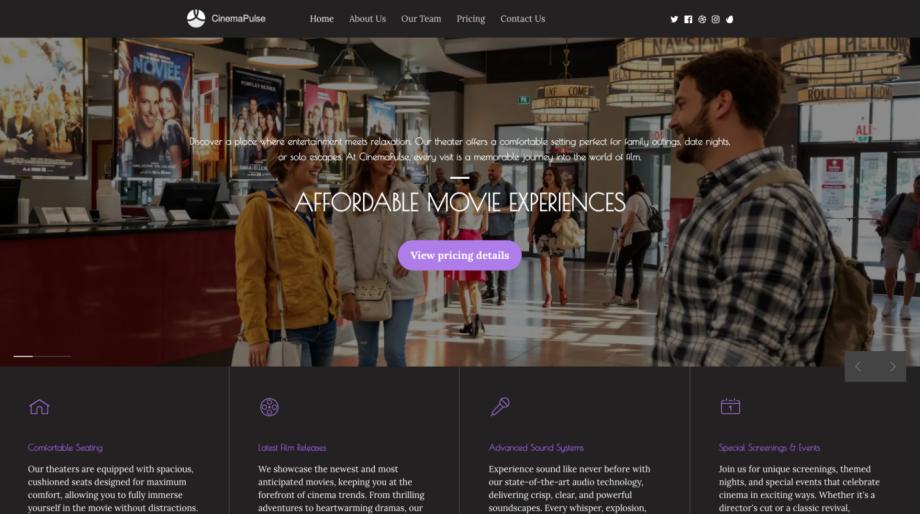
- Use dedicated pages: Send traffic to focused landing pages rather than your homepage. If you're running multiple influencer partnerships, a unique page for each creator improves tracking and relevance. Builders designed for creators support personal website and blog templates as well as business-ready pages.
- Track and iterate: Monitor performance daily during launches and adjust creative, offers, or CTA placement based on early results. Use simple UTM codes or promo codes per influencer to tie conversions back to the partnership.
Collaboration types to consider include single-post shoutouts, story or short-form series, affiliate programs, product unboxing or reviews, giveaways, and long-term brand ambassadorships. For eCommerce stores, combine influencer promos with limited-time discounts and clear product pages to maximize conversion - if you sell online, ensure your checkout and product pages are optimized with a platform built for commerce like the e-commerce setup options in your builder.

Tools and features to amplify influencer campaigns
Once you've lined up influencers, use the tools in your website and social toolkit to make the campaign seamless and trackable. Visual content is everything; use the visual content editor to assemble on-brand image and video layouts that influencers can adapt. Fast image tweaks and sizes for stories, posts, and ads are made simpler with the online image editor, which reduces back-and-forth and ensures assets are platform-ready.
On the backend, centralize campaign management so you can handle multiple creators at once. A unified management panel lets you assign pages, monitor orders, and track promo code usage per influencer. Integrate quick customer support channels - for example, adding instant messaging modules such as WhatsApp can make it easy for customers to ask questions during high-traffic promotions; consider enabling integrations like WhatsApp for real-time help and higher conversion rates.
Finally, match the influencer content to the customer journey: use story highlights and blog posts for long-form product education, product pages for direct purchase, and personalized landing pages for exclusive offers. If you're unsure which content formats will convert, test with a small group of creators first and use the results to refine your creative brief before scaling up.
Influencer marketing paired with the right site and content tools gives you a rapid path from visibility to revenue. With a clear brief, tailored landing pages, adaptable visual assets, and centralized campaign management, even a quick-start website can run professional influencer campaigns that feel native, measurable, and effective.