
The role of loyalty in modern digital commerce
Brand loyalty is no longer a byproduct of occasional repeat purchases - it’s the outcome of intentionally designed digital experiences that make customers feel understood, valued, and confident in returning. In an era where shoppers can compare products, prices, and reviews in seconds, the emotional and functional bonds a brand creates determine whether a one-time buyer becomes a lifelong customer. For businesses using a free website builder, loyalty starts the moment a visitor lands on a site: clarity of offer, easy navigation, and a trustworthy checkout process all reduce friction and nurture trust. Pairing those fundamentals with consistent social engagement and personalized follow-up creates a feedback loop that turns transactions into relationships.

Design eCommerce experiences that drive repeat business
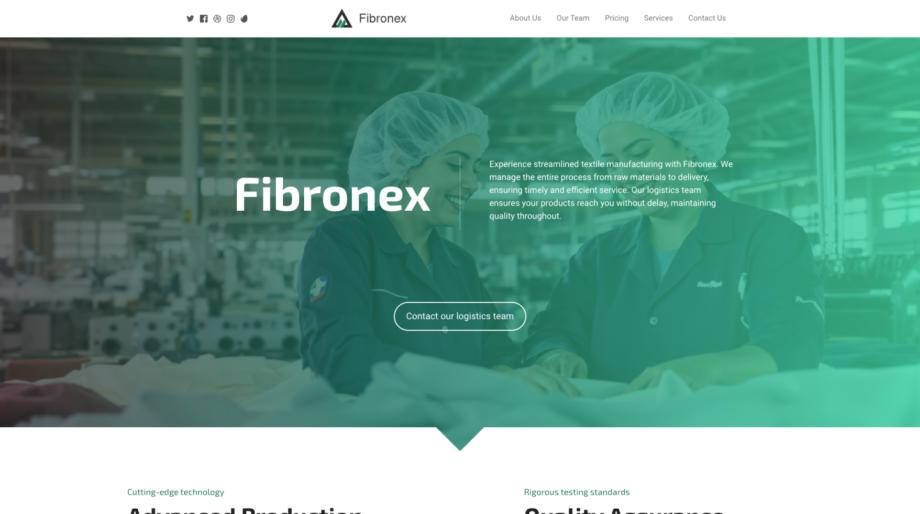
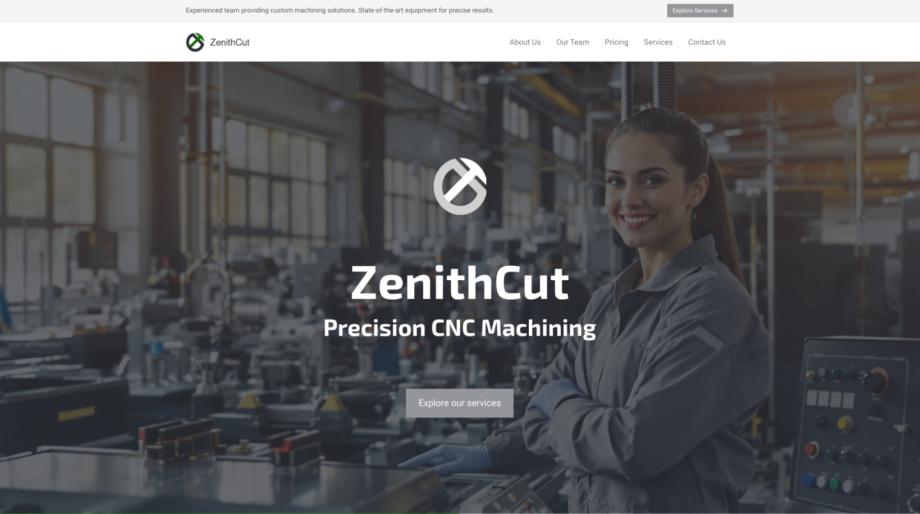
Creating a memorable online store begins with a dependable platform and thoughtful merchandising. A flexible website builder lets you test layouts and messaging quickly, while dedicated eCommerce features support streamlined checkout, saved carts, and one-click reorder - all proven to boost repeat sales. Curated site templates tailored to your category reduce design guesswork; for retail brands, selecting an appropriate retail template can accelerate launch and maintain brand consistency across product pages and blog content. Beyond look and flow, implement post-purchase touchpoints: a clear confirmation email, timely shipping updates, and a simple returns process. Loyalty often hinges on how problems are handled more than on the initial sale - transparent policies and proactive communication convert service interactions into trust-building moments.
Activate social tools to deepen relationships
Social platforms are where many customers form impressions before they visit your site, and they’re also the channels where long-term relationships are reinforced. Use an integrated social media strategy to showcase product stories, behind-the-scenes content, and user-generated moments that align with your brand identity. Scheduling and organizing posts with a post manager or content organizer helps maintain a consistent cadence without burning out your team. Prioritize two-way conversations: reply to comments, reshare customer images, and host live Q&A or demos to humanize your brand. Additionally, social media platforms offer creative ways to reward loyalty - exclusive previews, follower-only discounts, and interactive polls that make customers feel involved in product development. When social content drives traffic back to your site, make the transition seamless by matching visuals and tone so customers experience a cohesive journey from discovery to purchase.
Measure, iterate, and scale loyalty initiatives
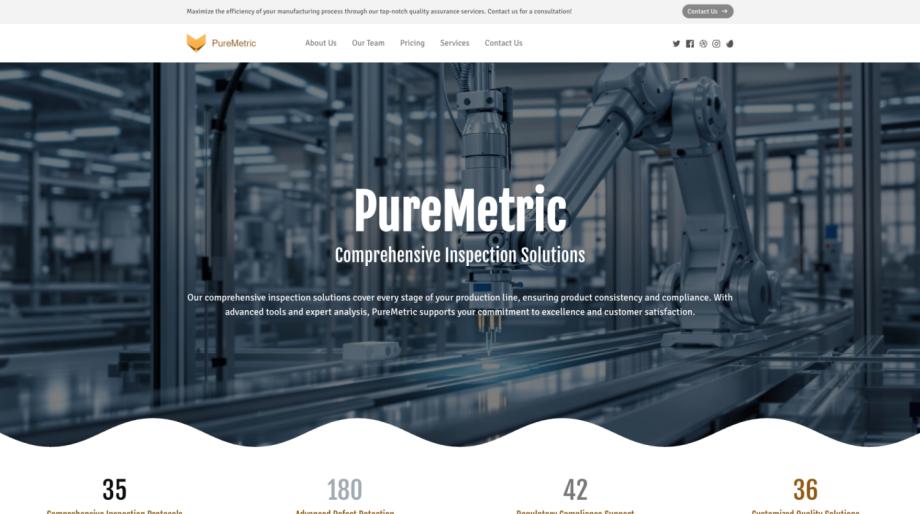
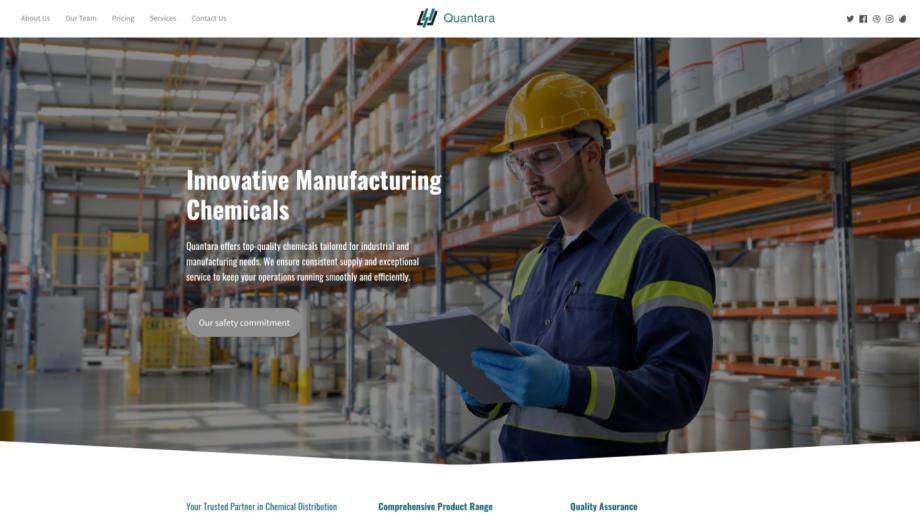
Building loyalty is an ongoing process, and measurement is the engine that powers improvement. Use analytics to track repeat purchase rate, customer lifetime value, churn, and the impact of specific campaigns. Social performance dashboards like an analytics performance tool reveal which content types drive engagement and which drive conversions, letting you reallocate effort toward initiatives that yield the best return. On the website side, invest in discoverability and conversion optimization - tools for SEO optimization and site performance help ensure the right people find your store and have a fast, reliable experience. Iterate based on data: A/B test email subject lines, refine loyalty program rewards, and adjust social ad creatives to fine-tune acquisition and retention economics. Finally, document playbooks for successful tactics so they can be scaled across product lines or locations - consistency at scale reinforces a recognizable brand identity that customers come back to again and again.