
Build a solid foundation: fast, responsive, and search-friendly
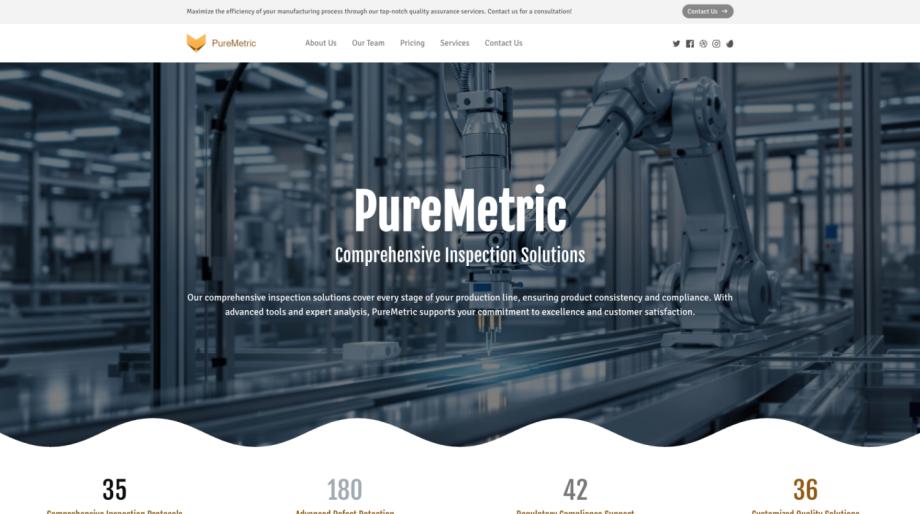
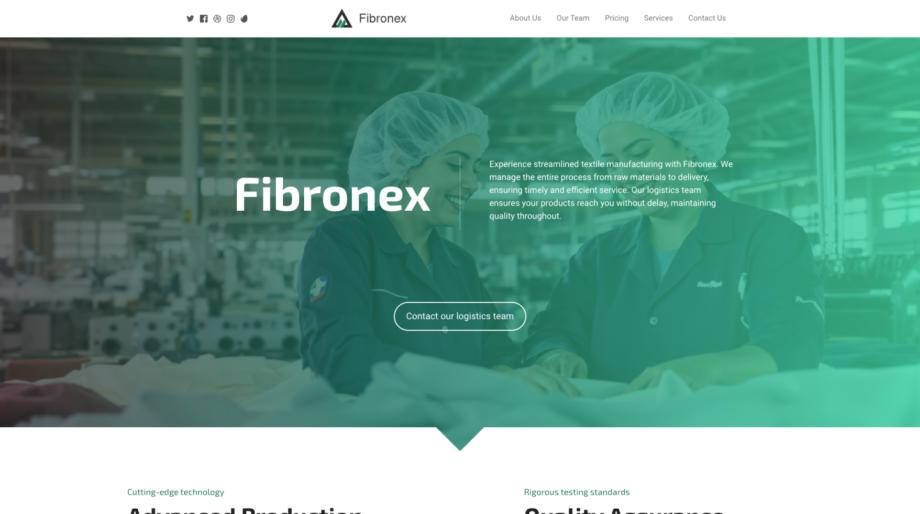
Your online shop's presence starts with a site that's easy to build, quick to update, and optimized for buyers and search engines. Use a drag-and-drop website builder to prototype pages fast, create consistent branding, and reduce technical overhead. Make sure your templates follow modern standards by choosing a responsive web design so customers on phones and tablets enjoy the same smooth experience as desktop visitors-mobile usability directly affects conversion and search rankings.
Beyond layout, enable eCommerce features early so product pages, carts, and secure checkouts are part of the initial structure rather than an afterthought. Linking your back-end product management and storefront through a unified e-commerce setup reduces errors and creates a faster buying flow. Finally, invest time in built-in SEO optimization tools: descriptive meta tags, clean URLs, schema for products, and XML sitemaps will help search engines find and present your products prominently.

Enhance product experience and streamline operations
Once your foundation is ready, focus on product presentation and internal tools that keep operations nimble. High-quality visuals and consistent image dimensions help shoppers compare items quickly-use an online image editor to crop, compress, and optimize images without leaving your platform. Complement this with a searchable image library and standardized product templates so every item looks polished and loads fast.
Operational efficiency saves time and prevents lost sales. A centralized management panel lets you update inventory, monitor orders, and assign team tasks from one screen. Connect order flows to the e-commerce sales dashboard to track revenue, conversion rates, and average order value in real time. Consider installing the shop module if you need advanced catalog controls or promotional tools-modular add-ons let you scale functionality without rebuilding the core site.
Practical steps: catalog every SKU with clear SKUs and tags, set up automated low-stock alerts, use tiered pricing or bundles for cross-sell opportunities, and enable guest checkout to reduce friction. These process improvements directly translate into fewer abandoned carts and faster fulfillment.
Drive traffic, convert visitors, and keep customers coming back
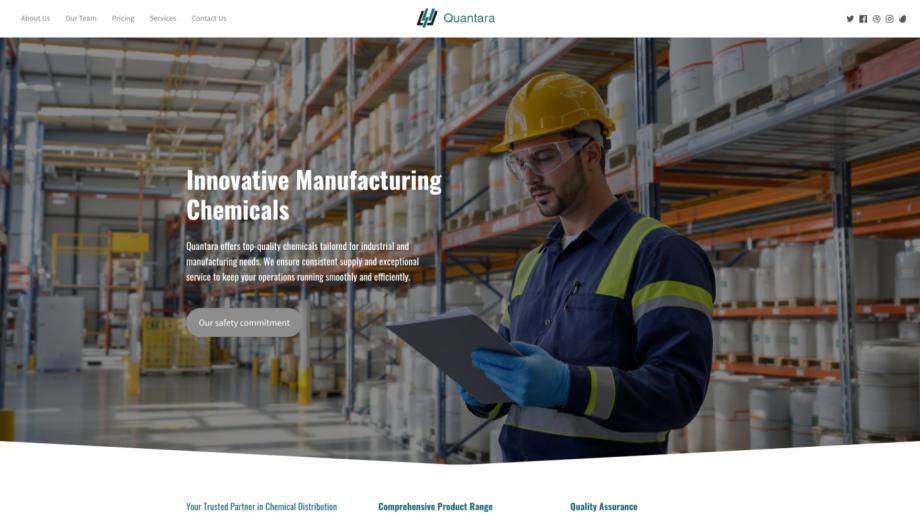
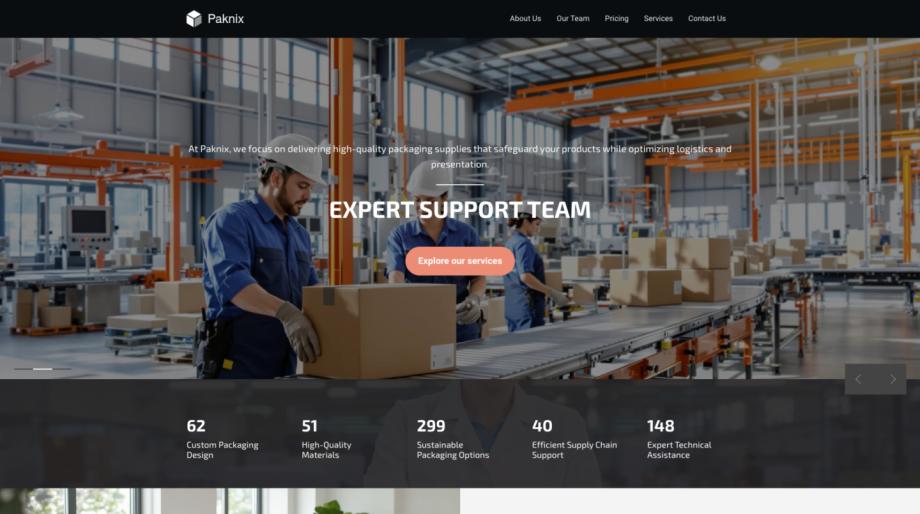
Attracting visitors is just the start-turning them into buyers and repeat customers requires a mix of content, promotion, and analytics. Create targeted landing pages for top campaigns and social posts, and add clear calls-to-action that match your ad messaging. Use content like how-to guides, size charts, and lifestyle images to reduce hesitation and answer common objections before they arise.
Leverage social media and email to nurture relationships: announce new collections, limited-time offers, and restocks with segmented campaigns that match customer behavior. Implement on-site tools for reviews and ratings to build trust; social proof reduces perceived risk and increases conversion rates. Monitor key metrics-traffic sources, bounce rates, cart abandonment, and average order value-to identify friction points and test improvements like simplified checkout flows or clearer shipping info.
Finally, make retention part of your strategy. Reward repeat purchases with loyalty points, personalized discounts, or early-access deals. Use automated post-purchase sequences to gather feedback, suggest complementary products, and request reviews. Small, consistent touches turn one-time buyers into loyal advocates and make your online presence a repeatable revenue engine.