Why a toolkit matters for your online presence
Managing an online presence today means juggling a website, sales channels, content, and customer communication - and doing all of that without wasting time or money. Whether you're starting with a free website or scaling up an online shop, a curated set of tools turns scattered tasks into a consistent workflow. The right toolkit helps you build quickly, present professionally, sell securely, and measure results so every update moves you toward real growth.
10 essential tools to manage your online presence
-
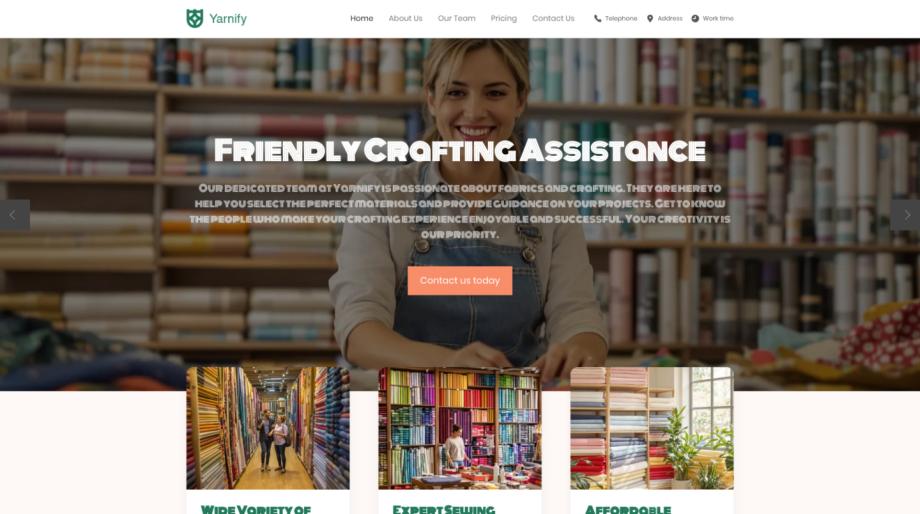
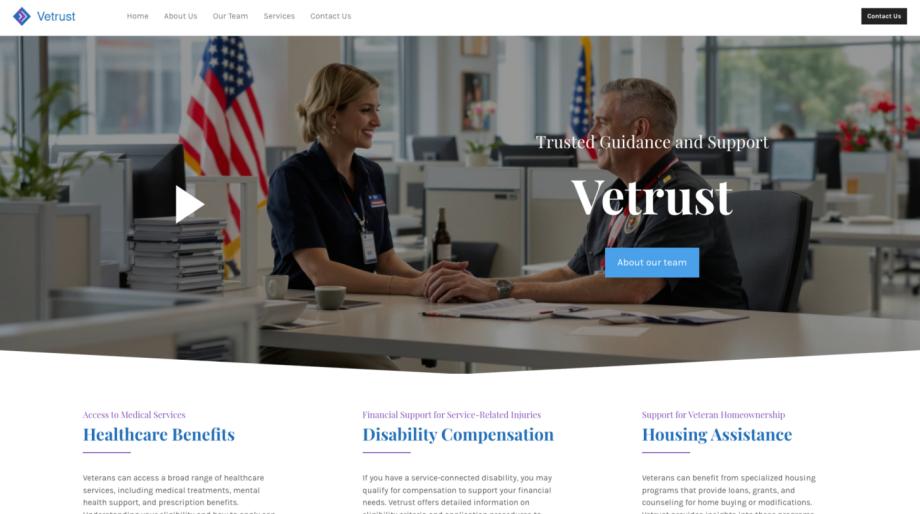
A flexible website builder - Your website is the hub. Use a drag-and-drop website builder that lets you launch landing pages, blogs, and product pages without coding. A simple builder saves time on iterations and keeps your brand consistent across pages.
-
Responsive design tools - More visitors use mobile devices than ever, so ensure templates and components scale with a responsive web design workflow. This prevents layout issues and protects conversions from small-screen visitors.
-
E-commerce platform - If you sell products or services, integrate an e-commerce system that handles catalog management, checkout, and payments. A built-in platform reduces complexity and centralizes order and inventory handling.
-
SEO optimization tools - Visibility requires more than great content. Use SEO tools for keyword guidance, meta tags, and performance checks so your pages are discoverable in search engines and social previews.
-
Visual content editor - Compelling visuals sell and engage. A visual content editor lets non-designers assemble banners, hero images, and promotional layouts quickly while keeping files organized and export-ready.
-
Image editing and library - Quickly crop, resize, and optimize images using an online image editor. Pair that with a searchable image library so graphics are reusable and consistently branded across pages and posts.
-
File and asset manager - A centralized file manager keeps PDFs, product sheets, and media assets accessible to the team and linked correctly on your site. Proper organization saves hours when you update downloadable resources or swap creatives.
-
Analytics and tracking - Measure what matters: traffic sources, bounce rates, conversion funnels, and campaign performance. Even basic analytics help you prioritize changes and identify high-impact improvements to pages and offers.
-
Professional email and marketing tools - Build credibility with a professional email address, and keep customers engaged with automated newsletters and transactional messages. Integrating a professional business email system ensures consistent sender identity and improves deliverability.
-
Collaboration and workflow tools - Managing content, orders, and design reviews requires team coordination. Use task assignments, version control, and role-based access to keep stakeholders aligned and reduce errors when publishing updates or launching campaigns.

Bringing the toolkit together: workflows and best practices
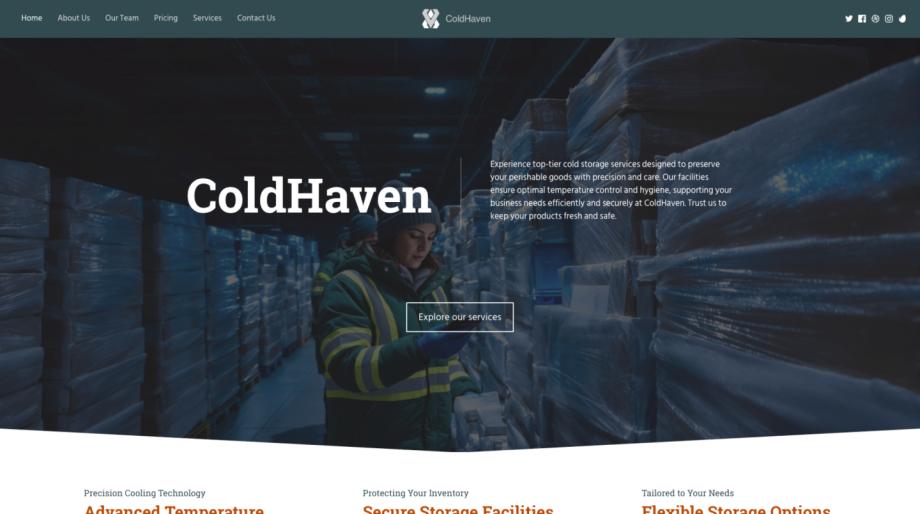
Having the tools is only half the battle - connect them into repeatable workflows. Start by selecting a website foundation that supports the features you need, then add modules for commerce, content, and customer engagement. For example, pair a responsive template with SEO tools and your visual editor so new landing pages go live optimized from day one. Keep your media organized in the file manager and make image editing part of the content checklist to ensure fast load times and consistent branding.
Set measurable goals for each tool: a timeline for launching the store, conversion rate targets for product pages, and engagement metrics for social promotions. Automate routine tasks where possible - automated emails for abandoned carts or welcome sequences reduce manual work and improve conversion. Finally, schedule regular reviews of analytics and site health to catch issues early and iterate based on data rather than guesswork.
With a compact, integrated toolkit - from a responsive builder and e-commerce core to editing, SEO, and email tools - you can manage your online presence efficiently and professionally. Focus on tools that grow with you, and you'll spend less time fighting technology and more time building relationships and revenue.